A window is a hole in a wall that has been taught to behave. Everything that makes it behave — the frame, the sash, the seals, the hardware — has to hold together for decades, through sun, frost, rain and the occasional slammed door. Yet most first-time buyers spend their evenings comparing glass, then pick the frame almost by accident. It usually works the other way round. The glass does the insulating, but the frame carries it, holds the seals in line, and decides whether your window still closes cleanly in year fifteen. Here is what each of the four common materials actually does.
Start With Your Climate, Not the Catalogue
Before you look at a single sample, answer three questions about your own wall. How cold does it get, and for how long? How much direct sun hits that elevation? And how much water — rain, salt spray, humidity — does the facade take?
A window that is sensible in a sheltered inland town can be a poor choice on an exposed coast, and a material that shrugs off Mediterranean heat can feel wrong in a mountain valley. Write your answers down. They will settle most of the arguments later, and they will stop a salesperson from steering you toward whatever is in stock.
Wood: Warm, Repairable, and Honest About Its Needs
Wood remains the material people describe when they say a window "feels right". It is warm to the touch, it takes paint and stain beautifully, and it can be sanded and refilled rather than replaced. If a corner gets knocked, you can repair it. Nobody repairs a cracked vinyl weld in the back of a van.
Its weakness is water, and the maintenance schedule is the price of everything else. Painted softwood on a weather-beaten elevation may want attention every few years; a well-detailed hardwood or engineered frame will stretch that further, but not forever. The details matter more than the species: sills that shed water, drip edges, and a finish that stays intact at the joints.
Where wood earns its keep
Older buildings where the window is part of the architecture, interiors where you see and touch the frame every day, and any project where you want to keep the original proportions. Wood also insulates well as a material, though the overall performance of the window still depends on the glazing, the chamber design and the installation.
Vinyl: The Low-Effort Default
Vinyl, usually sold in Europe as uPVC, is the material most people end up with, and for understandable reasons. It is generally the least expensive of the four, it never needs painting, and it wipes clean with a damp cloth. The profiles are hollow and divided into chambers, and better ones contain steel or aluminum reinforcement in the load-bearing sections — worth asking about, because not all do.
The material expands and contracts with temperature more than wood or fiberglass, so the quality of the reinforcement and the welded corners is what separates a decent window from a rattling one. Dark colors on sunny elevations are a risk: dark vinyl absorbs heat, and cheaper profiles can distort. If you want anthracite outside and a bright south-facing wall, choose a system rated for it rather than assume.
Repair options are limited. A scratched or damaged vinyl frame is usually patched, not restored, and the frame cannot be repainted convincingly if you tire of the color.
Aluminum: Thin Sightlines, Serious Engineering
Aluminum gives you the slimmest frames and the largest glass area for a given opening, which is why it dominates modern architecture and large sliding doors. It is strong, dimensionally stable, and powder-coated finishes hold up well, including in coastal air where other materials suffer.
The catch is conduction. Aluminum is an excellent conductor of heat, so a plain aluminum frame will be cold on the inside in winter and prone to condensation. The solution is a thermal break — a strip of less conductive material, usually polyamide, separating the inner and outer profile. This is not an optional extra; it is the difference between a modern window and a cold metal rectangle.
What to check on an aluminum quote
Ask whether the profile has a thermal break and how wide it is, whether the frame has internal insulation, and how the corners are joined. On cold elevations, pair it with a good warm-edge spacer in the glazing unit. Aluminum is fine in a cold climate; a thermally broken system installed well is fine anywhere.
Fiberglass: The Quiet Overachiever
Fiberglass frames are pultruded — pulled as continuous profiles of glass fibers in resin — which gives them a very low rate of expansion and contraction. That stability is their real advantage: seals stay aligned, corners stay tight, and the frame behaves the same in January as in July. The hollow profiles are usually filled with insulation, which makes them strong performers thermally.
Fiberglass can be painted, it does not rot, and it stands up to both coastal air and hard sun. The trade-offs are practical rather than technical. Fewer manufacturers make it, the choice of profiles and colors is narrower, and the price tends to sit at the premium end. Lead times can be longer than for vinyl. If you can find a supplier you trust and the budget allows, it is the material that asks the least of you over thirty years.
Comparing the Four Side by Side
- Cost: vinyl is usually the least expensive; wood and aluminum generally sit in the middle depending on the system; fiberglass tends to be the priciest.
- Maintenance: vinyl and fiberglass need almost nothing beyond cleaning; aluminum needs occasional checks of seals and drainage; wood needs a recurring painting or oiling cycle.
- Insulation: all four can perform well or badly depending on the profile, the chambers, the thermal break and the glazing — the material alone does not decide it.
- Lifespan: wood lasts a long time if maintained and fails early if neglected; vinyl has a finite life and is hard to repair; thermally broken aluminum and fiberglass are the most durable with minimal attention.
- Best fit: wood for character and repairability, vinyl for tight budgets, aluminum for large glazed areas and slim sightlines, fiberglass for harsh weather with low upkeep.
- Watch out for: dark vinyl in strong sun, aluminum without a thermal break, wood with poor water detailing, and any frame installed without a proper seal to the wall.
No frame material can rescue a badly installed window. Fitting decides more than the brochure does.
Five Questions Worth Asking Before You Sign
- What is the frame made of, exactly, and is the load-bearing section reinforced?
- How does this system handle water — where does it drain, and what happens at the sill?
- What maintenance will this need in ten years, and who does it?
- What is the warranty, and does it cover the frame, the finish and the hardware separately?
- Who installs it, and are they certified for this system?
Get the answers in writing, along with a detailed quote listing the profiles and glazing. For anything involving structural openings or local building rules, check with a qualified installer or your local authority before work starts.
A Sensible Way to Decide
Rank your four priorities honestly: budget, upkeep, thermal comfort, and appearance. If budget leads, vinyl with reinforced profiles will serve you well in a mild climate. If appearance leads and the openings are large, thermally broken aluminum gives you the glass area you want. If you love old buildings and do not mind a brush in your hand every few years, wood is the material that ages with grace. And if you want to fit it and forget it, in a place with real weather, fiberglass is worth the search.
Then spend your remaining energy on the two things that quietly decide everything else: the quality of the installation and the detailing around the reveal. Choose a fitter who measures twice, seals properly, and comes back if something is wrong. That is the difference between a window you notice and one you never think about again.
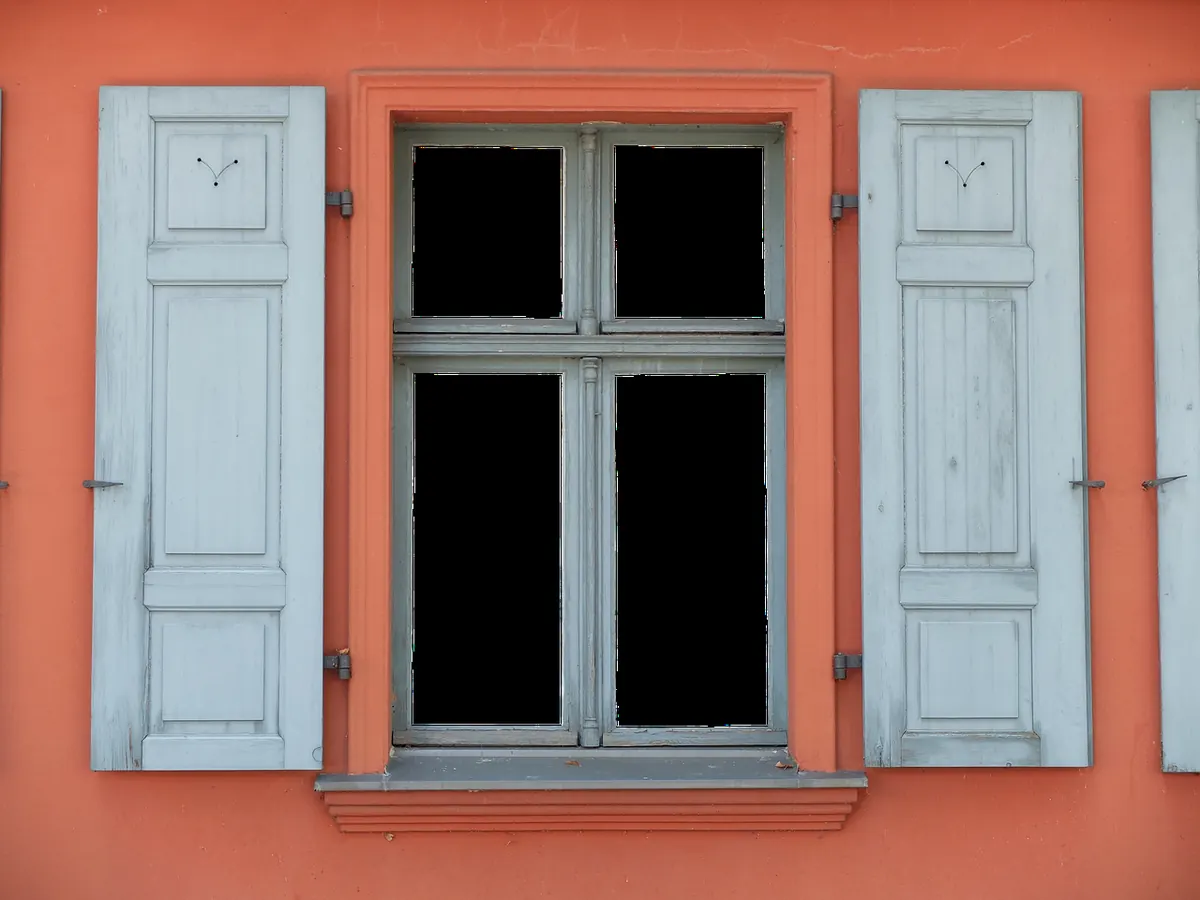
Photo: ThomasWolter / Pixabay